Buying Guide
Best LiFePO4 Batteries & Solar for Off-Grid Power (2026)
Build a quiet, maintenance-free off-grid power setup — 5 picks covering 12V/48V LiFePO4, a solar inverter, portable panels and a server-rack bank.
Lead-acid batteries have been the “default” off-grid choice for decades, mostly out of habit. In 2026 there’s little reason to start there. LiFePO4 (lithium iron phosphate) lasts 10× the cycles, weighs less than half, and doesn’t sulk if you don’t top it off every week. This guide covers the five building blocks of a small, sane off-grid bank.
Why LiFePO4 over lead-acid
- Cycle life. 2,000–5,000 cycles vs ~300–500 for flooded lead-acid. The per-cycle cost flips in LiFePO4’s favor fast.
- Usable capacity. You can routinely drain LiFePO4 to 80–90% without damage. Lead-acid hates going below 50%, so a “100Ah” battery only gives you ~50Ah in practice.
- Weight & maintenance. No acid, no watering, no venting. Mount it anywhere upright.
Size the bank to your daily watt-hours, not your peak load. Add solar to refill it; add an inverter only if you actually need AC.
The picks
ECO-WORTHY 12V 100Ah LiFePO4 — The gentle on-ramp. 12V matches most RV, boat and small-solar setups, 100Ah covers lights, a fridge and device charging for a day or two. Built-in BMS protects against over-charge, over-discharge and short circuits.
ECO-WORTHY 48V 100Ah LiFePO4 — Same chemistry, higher voltage for larger systems. 48V loses less energy over long cable runs and pairs naturally with 48V inverters, so it’s the sweet spot for a whole-small-cabin bank.
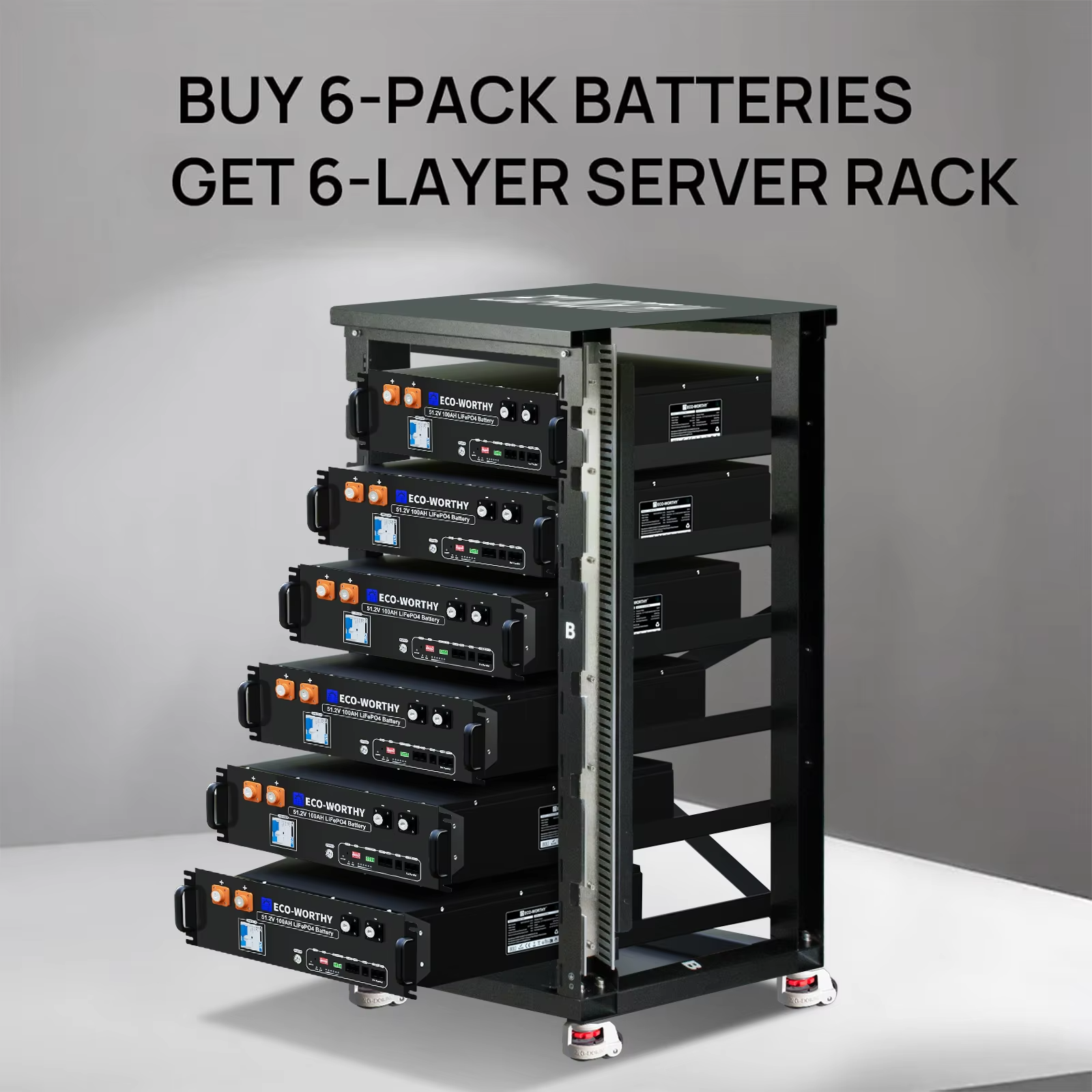
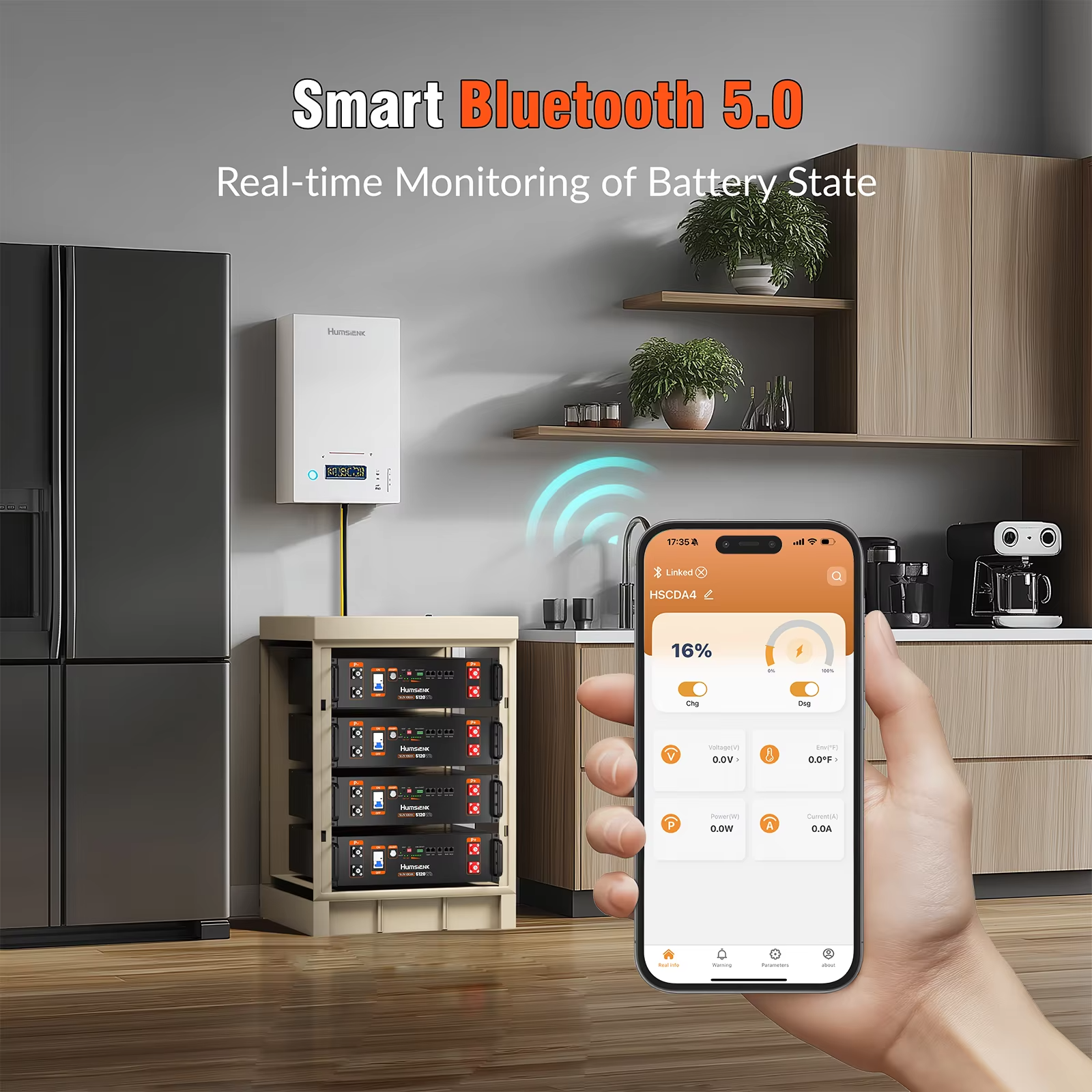
Humsienk 48V 100Ah Server-Rack Battery — Rack-mount form factor for tidy, scalable installs. If you’re building a bank you’ll expand later, the rack format keeps additions clean instead of a pile of loose boxes.
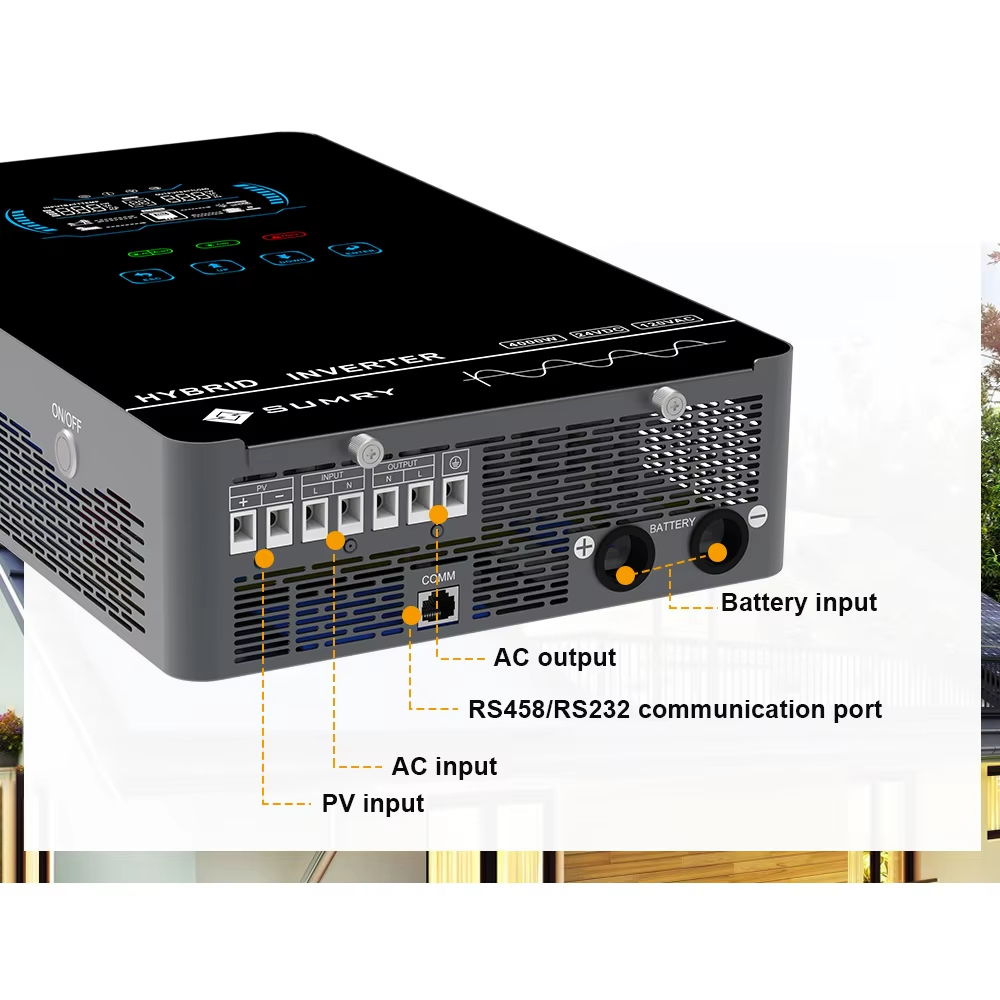
SUMRY 4KW/6KW Off-Grid Solar Inverter — 24V, 140A, pure sine wave. This is the brain that turns DC bank power into clean 120V/230V AC for appliances. The 4–6kW range covers a workshop, small home circuit or a serious RV build without jumping to utility-scale pricing.
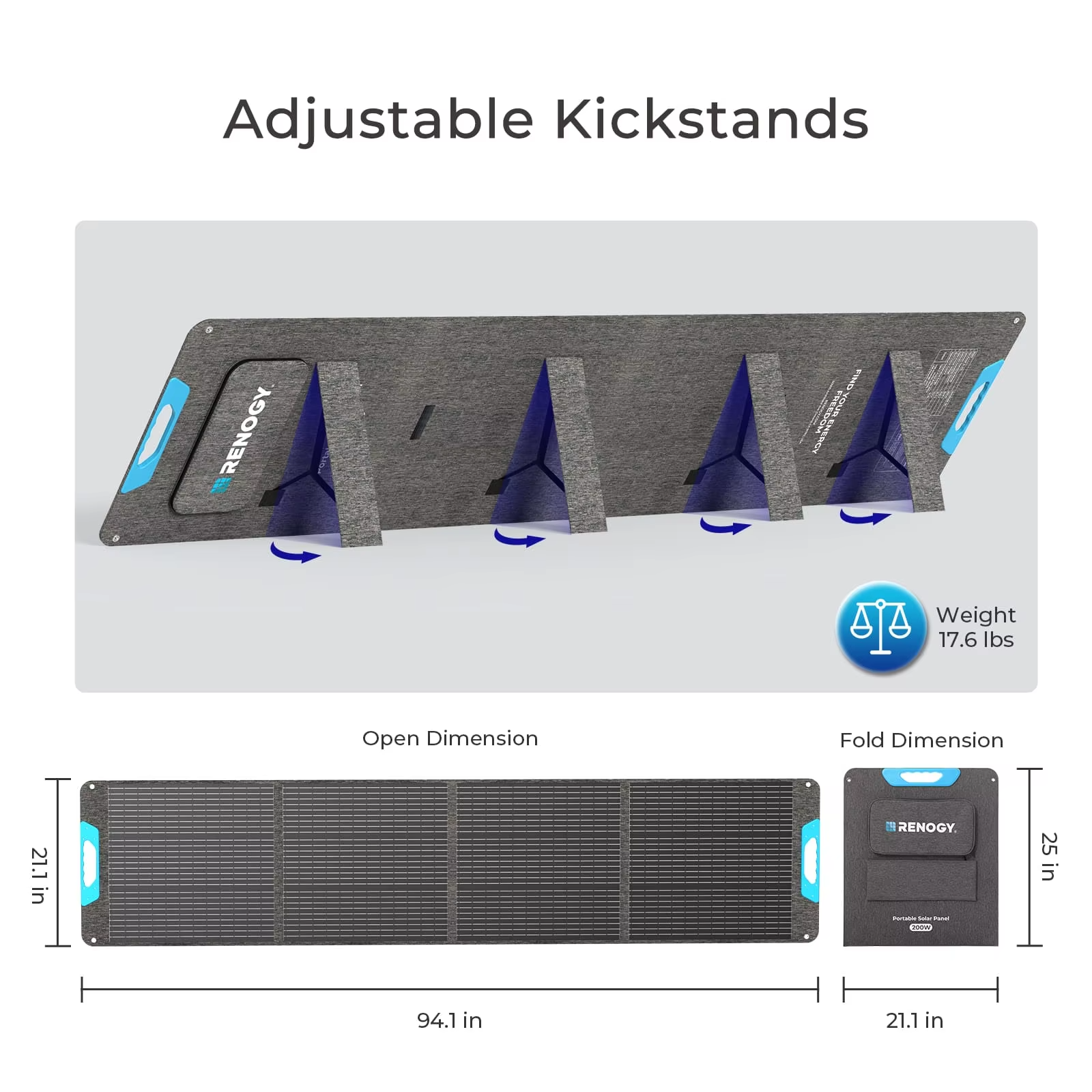
Renogy 200W Portable Solar Panel — Folding, plug-and-play refill for the bank above. 200W won’t run a cabin alone, but as a top-up for lights, comms and a fridge it’s the difference between ” batteries died” and “we’re fine.”
How to size a starter system
A minimal but real setup:
- Bank: one 12V 100Ah (ECO-WORTHY) for light loads, or one 48V 100Ah (ECO-WORTHY or Humsienk) if you’ll grow.
- Refill: one or two Renogy 200W panels depending on sun hours.
- Convert: SUMRY inverter only if you need AC; many setups run DC-direct (LED, USB, 12V fridge) and skip it.
Total cost stays in the low hundreds to ~$1k — a fraction of a pre-built “solar generator” with the same usable capacity, and far easier to repair.
FAQ
Can I mix 12V and 48V gear? Not on the same bank. Pick a voltage and stay consistent; use a DC-DC converter if you must bridge.
Do I need the inverter? Only for AC appliances. Fridges, lights and USB gear often run straight off 12V/48V DC more efficiently.
How long will it last? LiFePO4 at ~80% depth of discharge typically delivers 2,000+ full cycles — often 5–10 years of weekend use.
Our picks
The products we actually recommend for this use case. Tap any card for the full specs, pros & cons, and the best current price.
 -72% Editor's pick ▶ Video
  -71% ▶ Video
  -68% ▶ Video
  -59% ▶ Video
  -71% ▶ Video